Serving Campbell, CA and surrounding areas. (669) 282-6351
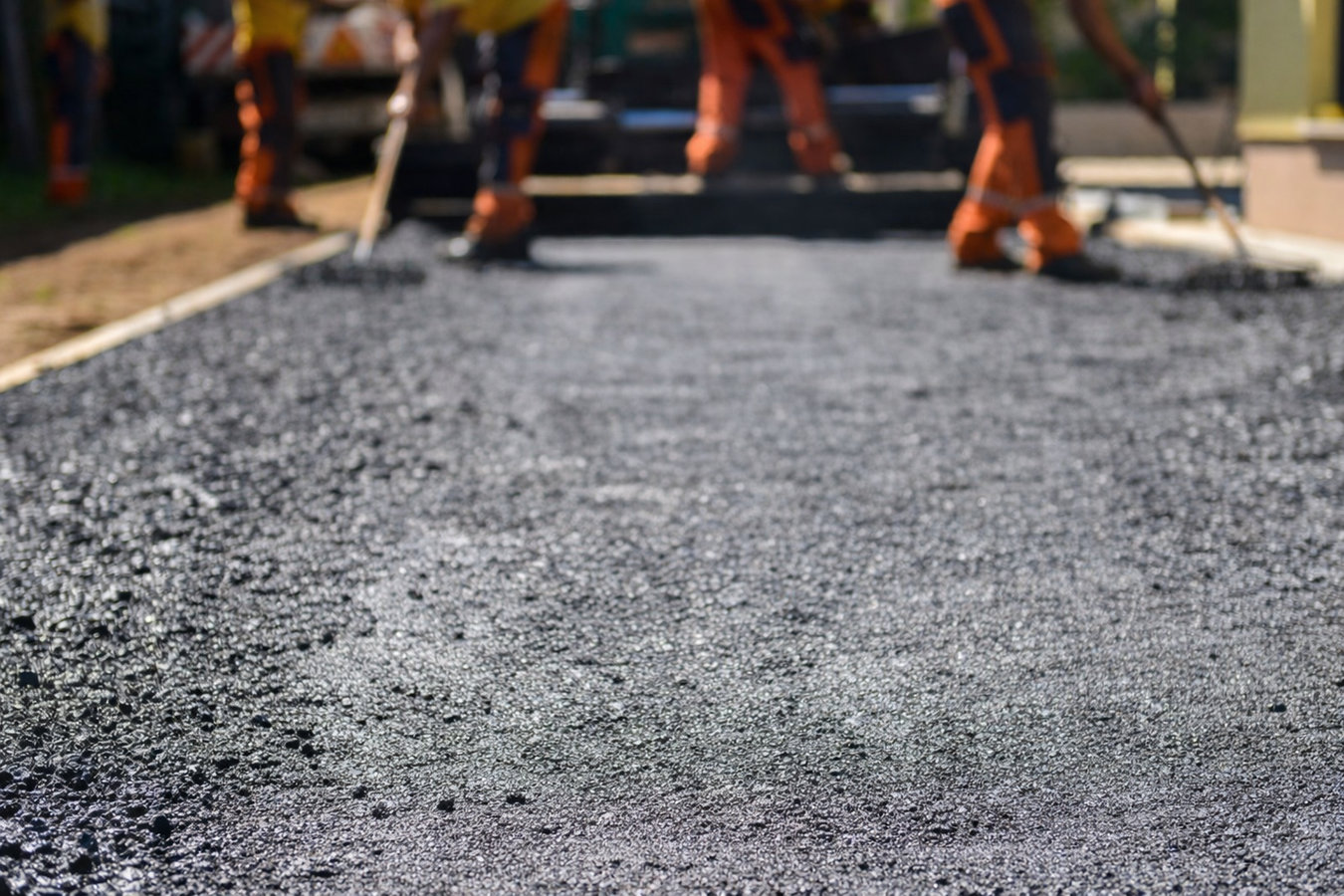
Crumbling asphalt or no parking at all? We build durable concrete lots for Campbell property owners - with proper base prep, drainage, and permits handled from start to finish.
Concrete parking lot building in Campbell means removing the existing surface, preparing a compacted gravel base, and pouring a reinforced slab designed for your specific vehicle loads and soil conditions - most small-to-medium projects take three to seven days of active construction, plus a 7-to-28-day curing period before the lot is open for parking.
Property owners in Campbell typically call us for three reasons: an existing asphalt lot has deteriorated past the point where patching makes sense, a rental or commercial property needs new off-street parking, or drainage problems are making the current surface a liability every rainy season. All three situations share the same starting point - a site visit to understand what is under the ground before anything else is decided.
For projects that also involve new structures on the same site, pairing parking lot work with our concrete footings service often saves time and mobilization cost when both scopes can be scheduled together.
Cracks wider than a quarter inch - especially ones where one side has shifted higher than the other - signal that the surface has moved beyond what patching can fix. In Campbell, clay-heavy soils that swell in winter and shrink in summer accelerate this kind of cracking. Once the slab is shifting rather than just cracking, a full replacement is more cost-effective than repeated repairs.
If the same spots flood after every storm, the surface is no longer draining correctly. This usually means it has settled unevenly or the original drainage design was poor. In Campbell's rainy season, that standing water works under the slab and accelerates deterioration. Left alone, what is a drainage problem today becomes a structural problem within a few seasons.
Edge deterioration - corners and borders breaking off in chunks - indicates the base underneath has eroded or the original slab was too thin at the perimeter. This kind of damage spreads inward over time. If you can break off pieces of the surface by hand, the lot is past the repair threshold and needs replacement, not patching.
If you own a multi-unit rental or small commercial property in Campbell and need to add off-street parking - either to meet city requirements or to attract tenants - concrete is the most durable long-term option. It holds up better than gravel or asphalt over a 20-plus-year horizon, especially given the clay soil conditions in parts of the South Bay.
Every parking lot project we take on starts with a site visit - not a phone estimate. We look at the existing surface, assess the soil conditions, check how the site drains, and measure the area before giving you a written number. That upfront assessment is what makes the estimate accurate, and it is what prevents surprise charges mid-project. We handle the permit application with the City of Campbell's Building Division, coordinate required inspections, and manage the construction schedule from demolition through curing. For lots where stormwater management features are required under California or Santa Clara County rules, we design the drainage into the project from the start - not as an add-on after the fact.
Most of our parking lot work in Campbell falls into two categories: replacing deteriorated asphalt on older commercial and multi-family properties, and building new lots on previously unpaved ground. Both require proper base preparation - and that base layer is what determines how long the surface lasts. We also handle accessible parking design built to California state requirements, so the lot passes inspection the first time. For property owners looking to complement their parking lot with a new or repaired driveway approach, our concrete driveway building service covers that connection point between the street and the lot.
Full build on previously unpaved ground - suits rental properties, small businesses, and commercial sites adding off-street parking.
Demolition and removal of failed asphalt, full re-base, and new concrete pour - the right move when patching is no longer working.
Bonded overlay or partial replacement for lots with surface-level deterioration but a sound base underneath.
Lots built to California accessibility requirements from the start - correct space dimensions, slopes, and signage to pass city inspection.
Much of Campbell's commercial corridor and older multi-family housing was developed in the 1960s through 1980s. Many of those original parking surfaces - mostly asphalt from that era - are now at or past the end of their useful life. Switching to concrete is a common decision for property owners who want a surface that does not need resurfacing every decade. But it requires knowing the local soil conditions. The clay-heavy soils in parts of the Santa Clara Valley swell in winter and shrink in dry summers, which is exactly the kind of movement that cracks a slab built on an inadequate base. The American Concrete Pavement Association sets the design standards our work is built on, and those standards account for exactly this kind of soil behavior.
The permit and stormwater picture also differs from less-regulated markets. California and Santa Clara County have rules about how runoff from new paved surfaces is managed - projects above a certain size may need to include on-site drainage features as part of the design. The City of Campbell requires a building permit and inspections before the lot is approved for use. These steps add time to the project, but they also protect your investment and keep you on the right side of local code. We serve property owners across the South Bay, including Santa Clara and Sunnyvale, where commercial concrete work involves the same permit requirements and soil considerations.
We reply within one business day to schedule a free on-site visit. We measure the area, assess the soil and existing surface, and check drainage - everything needed to give you an accurate written estimate rather than a ballpark.
After the site visit, you receive a written proposal with a clear cost breakdown. Once you accept, we submit the permit application to the City of Campbell's Building Division - expect two to six weeks for approval depending on project complexity.
We remove the existing surface, grade and compact the soil underneath, and lay the gravel base layer. This phase takes one to two days and is the most critical part of the job - the base is what keeps the slab stable for decades.
After the city inspects the base, we pour the concrete, finish the surface, and cut control joints. The lot stays closed for at least 7 days while the concrete cures. We walk you through the finished surface, drainage direction, and first-sealer timing before we leave.
Free on-site estimate. No pressure, no obligation. We handle the permit process start to finish.
(669) 282-6351We size and compact the gravel base for the clay-heavy soils common in Campbell neighborhoods. That means the slab above it stays flat and stable through seasonal ground movement - not just the first summer.
The City of Campbell requires inspections at key stages before the lot can open. We handle the application, coordinate city inspector visits, and keep you informed so you are never wondering why the project is paused.
Our written estimates reflect actual site conditions - soil type, existing surface removal, drainage requirements, and lot size. No phone quotes, no surprise line items after demo day. The price you approve is the price you pay.
California and Santa Clara County have stormwater runoff requirements for new paved surfaces. We design drainage into every lot from the start - working with the Santa Clara Valley stormwater guidelines so your project meets code without revisions.
Every parking lot we build in Campbell is a long-term investment for the property owner - and we treat it that way. From the base layer the city inspector never sees again to the control joints that direct any future cracking, every detail is done with the next 25 years in mind.
Structural footings for posts, retaining walls, and additions - the anchor work that happens before any surface is built.
Learn moreResidential driveways designed for Campbell's clay soils, with proper base depth and drainage to prevent cracking.
Learn moreSpring and summer build slots go quickly. Call today or submit your details online and we will get back to you within one business day.