Serving Campbell, CA and surrounding areas. (669) 282-6351
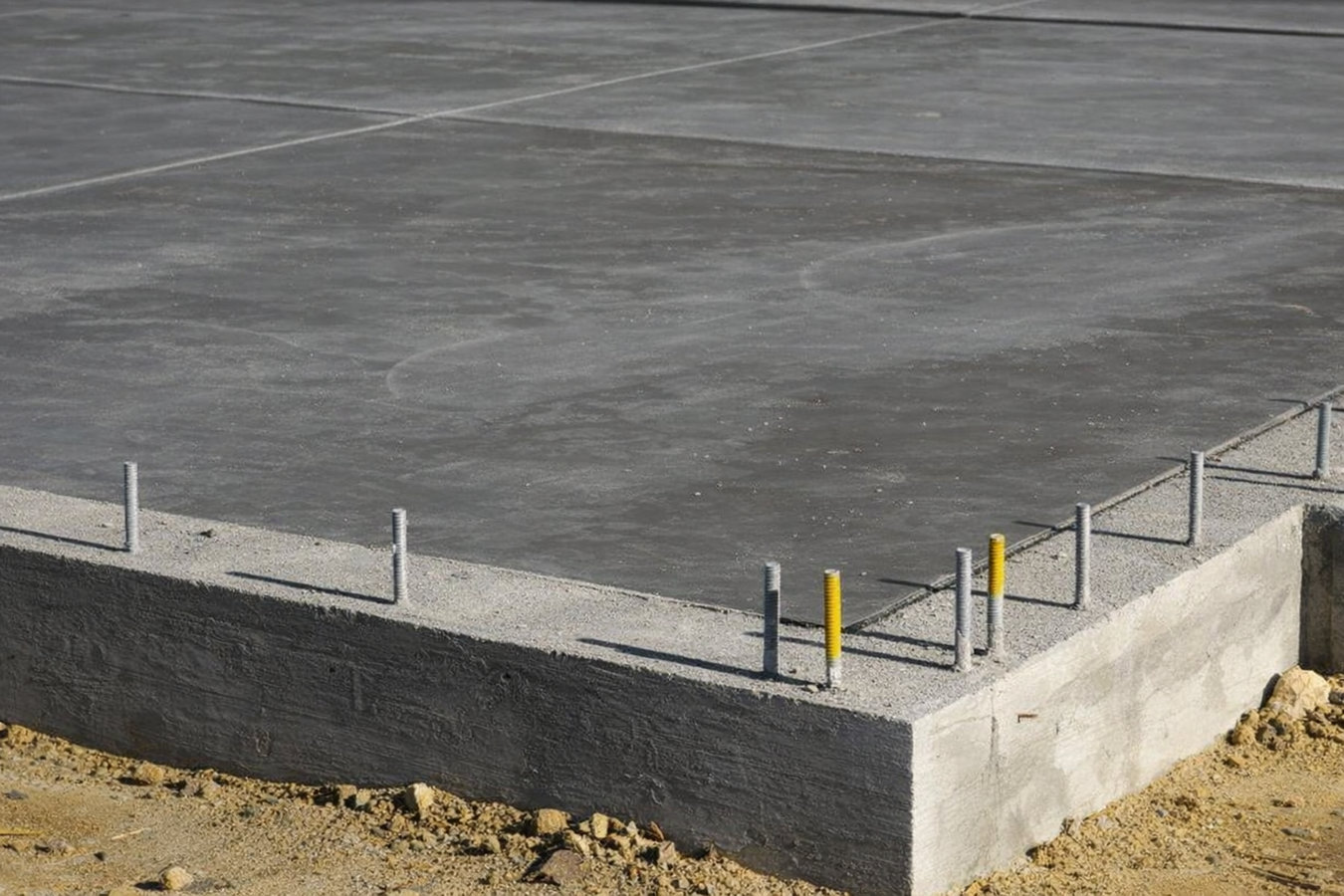
Whether you are adding an ADU, a garage, or a new structure, your project cannot start without a properly built slab. We handle the permits, the soil prep, and the pour - all built for Campbell's clay ground and seismic zone.
Slab foundation building in Campbell means excavating and compacting the site, placing steel reinforcement and any embedded plumbing, passing a city inspection, then pouring the concrete in a single day - most residential projects take one to two weeks from site prep to a cured, walk-on surface ready for framing.
The most common reasons Campbell homeowners call us for a new slab are ADU additions, detached garage pours, and room additions on existing properties. California's push to streamline ADU permitting has made this one of the busiest categories of concrete work in the area. Nothing else on your project - framing, utilities, roofing - can move forward until the slab is poured, inspected, and cured.
If your new structure will also need anchor connections and perimeter footing work, our foundation installation service covers the full scope of below-grade work from excavation through the final city sign-off.
If you are planning a detached accessory dwelling unit, a new garage, or any freestanding structure on your Campbell property, a new slab foundation is the required first step. California's streamlined ADU rules have made this one of the most common projects local contractors handle. If you have building plans or a permit application in process, a slab pour is almost certainly next on your list.
Hairline cracks in concrete are normal and usually harmless. But if you notice cracks wider than about a quarter inch, diagonal cracks running from door corners, or sections of floor that feel uneven underfoot, the slab may be shifting. In Campbell's clay soils, this kind of movement often happens gradually over years as the ground swells and shrinks with the seasons.
When a slab foundation shifts, the door and window frames shift with it - and suddenly doors that used to swing freely start sticking or failing to latch. This often appears after a wet winter followed by a dry summer, which is a typical South Bay pattern. It does not always mean full failure, but it is worth having a contractor take a look at what is happening at the foundation level.
If water sits against the base of your house after winter rains instead of draining away, that is a warning sign. Water that pools against a slab can work its way underneath, erode the soil, and cause settling over time. Campbell's rainy season runs roughly November through March, so this is something to watch for during and after storms.
Every slab project starts with the ground. We excavate to the required depth, remove any soil that is not stable, and compact the subgrade before laying a crushed rock base layer. The steel reinforcing grid goes in next, sized to the load and permit drawings. Any plumbing or conduit that needs to run through the slab is set in place before the forms close - because once the concrete is poured, nothing goes back in without cutting. We handle permit applications with the City of Campbell's Building Division and coordinate the required pre-pour inspection, so nothing gets skipped and nothing gets locked in wrong.
For projects that involve structural anchor connections between the slab and the framing above, we coordinate the anchor bolt placement during the pour so the whole system is built as a single unit. Homeowners who need both a slab and perimeter wall work often combine this with our concrete footings service to handle the full below-grade scope in one project phase.
Sized and reinforced for detached ADUs - the most common new slab project in Campbell today.
Flat, level pours with proper slope for drainage - suits both attached and detached garages.
Poured to match existing finished floor heights and transition cleanly into the current structure.
Full new construction slabs from cleared ground up - including all site prep and permit management.
Campbell sits in the Santa Clara Valley, where clay-heavy soils are common across most residential neighborhoods. Clay expands when it absorbs winter rain and shrinks back during the dry months - and that seasonal movement is exactly what puts stress on concrete slabs. A slab that was not designed for this kind of ground can crack or shift within a few years of being poured. Proper subgrade compaction, correct slab thickness at the edges, and a gravel drainage layer are not optional extras here - they are what separates a slab that holds from one that fails. The Portland Cement Association's slab-on-ground guidelines inform the approach our crews follow on every project.
The seismic picture matters too. Campbell sits near the Hayward and Calaveras fault systems - two of the most active in the Bay Area. California's building code requires specific reinforcement and anchor bolt placements on all new residential foundations in this zone, and the City of Campbell sends an inspector to verify this before the pour. We also work regularly in nearby communities where the same soil and seismic conditions apply, including Milpitas and San Jose, where permit and inspection requirements follow the same California standards.
Your first call takes about ten minutes - we ask about the project size, what it is for, and your timeline. We schedule a free on-site visit within a few days to measure the area, look at soil conditions, and give you a written estimate. You will have that quote within a week of the visit.
Once you are ready to move forward, we submit the permit application to the City of Campbell's Building Division on your behalf. Approval typically takes one to three weeks. We handle all the paperwork and keep you updated - you do not need to chase anything.
With the permit approved, the crew arrives to excavate, compact the ground, and build the wooden forms. Steel reinforcement and any plumbing or conduit are set inside the forms. This is the noisiest phase - expect one to two days of equipment on the property.
A City of Campbell inspector visits to verify the steel and forms before any concrete is placed. After sign-off, the pour happens in a single day. The slab then needs at least seven days to reach working strength before framing can begin - we manage the curing process and schedule the final city inspection.
Free on-site visit. Written quote within a week. We handle permits from start to finish - no extra charge.
(669) 282-6351Every slab foundation project we take on in Campbell goes through the City's Building Division with a proper permit and all required inspections. That documented paper trail protects your home's value and gives you clean records when you sell or refinance.
The clay-heavy ground across much of Campbell requires a specific approach to compaction and drainage. We have seen what happens when that prep step is rushed - slabs that crack within a few years. Our process is designed for this soil, not generic.
We complete slab foundation projects across 12 cities in the greater San Jose area, including communities with the same permit and inspection requirements as Campbell. That volume means fewer surprises and more predictable timelines for our clients.
Campbell's proximity to the Hayward and Calaveras faults means seismic design is not optional. The California Contractors State License Board verifies that licensed contractors meet the training and bonding standards for this kind of structural work. Every slab we build includes the reinforcement and anchor placement the city inspector will check before the pour.
A slab built the right way in Campbell requires local knowledge - the soil, the permit office, and the seismic standards - and the same holds true when evaluating any concrete slab contractor before signing a contract. We bring all three to every project, and the city inspector's sign-off is the independent confirmation that the work was done correctly.
For current California contractor licensing information, visit the California Contractors State License Board. For permit details specific to Campbell, see the City of Campbell Building Division.
Full foundation installation for new structures, additions, and complete foundation replacements on Campbell properties.
Learn morePoured concrete footings that anchor walls, posts, and structural columns to stable ground below the frost line.
Learn moreCampbell contractors book out fast during the dry season - reach out now and we will schedule your site visit within days.