Serving Campbell, CA and surrounding areas. (669) 282-6351
The right foundation keeps your home standing through earthquakes, wet winters, and decades of clay soil movement. We handle every step - from soil evaluation and permits to the pour and the city sign-off.
Foundation installation in Campbell covers the full process of placing a new concrete foundation - from soil evaluation and permit application through excavation, steel placement, the inspected pour, and the curing period - most residential installations run four to six weeks total, with one to two weeks of active on-site construction.
People call us for foundation installation for a few reasons: a new structure going up on cleared ground, a full replacement of an original 1950s or 1960s foundation that has reached the end of its life, or an upgrade to bring an older home up to current seismic standards. All three scenarios share the same starting point - proper soil evaluation and an honest conversation about what the specific site actually needs.
For homeowners who need a standard slab pour for a garage or ADU rather than a full structural installation, our slab foundation building service covers that scope directly and tends to move faster through the permit process.
If interior doors that used to swing freely now stick at the top or bottom, or windows have become difficult to open and close, the frame of your house may be shifting. In Campbell, this is often related to the clay soils expanding and contracting with seasonal rain cycles. It does not always mean a full replacement, but it is a clear signal to have someone look at what is happening below.
Diagonal cracks - especially ones wider at one end than the other - running from the corners of doors or windows are one of the clearest signs that part of your foundation is moving differently than the rest. Cracks wider than a quarter inch, or cracks that have grown over time, deserve a professional evaluation. In older Campbell neighborhoods built in the 1950s and 1960s, this kind of movement is not unusual as original foundations age.
Walk slowly through your home and pay attention to whether the floor feels level underfoot. A ball placed on the floor that rolls consistently in one direction is a simple check. Uneven floors in a Campbell home often point to foundation settlement, particularly in areas with clay-heavy soils that shift with each rainy season.
Campbell's wet winters can expose drainage problems around your foundation. If water consistently collects against your home's exterior walls after rain, it is soaking into the soil right where your foundation sits - and in clay-heavy soil, that repeated wetting and drying accelerates movement and cracking. This is worth addressing before it becomes a much larger problem.
We handle foundation installation for residential structures, additions, and light commercial projects across Campbell and the surrounding South Bay. Every project starts with a site visit where we look at the existing conditions, assess the soil, and identify anything that will affect the design or price - sloped ground, poor drainage, mature trees near the perimeter, or proximity to older utility lines. That site evaluation is what makes a written estimate meaningful. From there we manage the permit process with the City of Campbell's Building Division, coordinate the structural engineer drawings where required, and schedule all required inspections.
For homes where the existing foundation can be reinforced rather than fully replaced, we assess that honestly and explain the tradeoffs. Some older Campbell homes built in the 1950s and 1960s have raised perimeter foundations that can be upgraded with targeted work rather than a full tear-out. That decision is always made after a real look at the structure, not a phone estimate. For projects that also need perimeter footing work as part of the installation, we frequently combine this service with our concrete parking lot building expertise when commercial flatwork is adjacent to the new foundation scope.
Full installation for new homes, additions, and accessory structures on prepared lots.
Complete removal of failed or aging original foundations, including original 1950s-1970s raised perimeter types.
Replacing under-reinforced older foundations with current California seismic-compliant designs.
Concrete perimeter walls with a crawl space below - suits sloped lots and homes needing utility access.
Campbell's housing stock is dominated by homes built during the postwar era - the 1950s through 1970s - when seismic requirements were minimal and soil testing was rarely done before pouring. Many of those original foundations are now reaching the point where replacement is a more honest answer than repair. At the same time, the Santa Clara Valley's expansive clay soils mean that even a new foundation, if not designed correctly for the local conditions, will show problems within years. Geotechnical engineering matters here in ways it simply does not in areas with stable sandy or gravelly soils. The Structural Engineers Association of California provides the professional standards that govern seismic foundation design in this region.
The seismic picture reinforces all of this. The Hayward and Calaveras faults run close enough to Campbell that every new foundation is required to include specific reinforcement and anchor hardware designed for earthquake forces. That is not true everywhere - it is a California requirement that contractors in other states never have to think about. We serve homeowners across the South Bay, including San Jose and Santa Clara, where the same soil conditions, permit requirements, and seismic standards apply.
Your first call takes about ten to fifteen minutes - we ask what you are building or replacing, the general size, and your timeline. A site visit follows within a few days so we can look at existing conditions, note any complications, and give you a written estimate. We do not quote foundation work without seeing the property first.
Once you are ready to move forward, we submit the permit application to the City of Campbell's Building Division and coordinate any required structural engineer drawings. This stage typically takes one to three weeks - mostly waiting on city processing. We handle all of it and keep you updated.
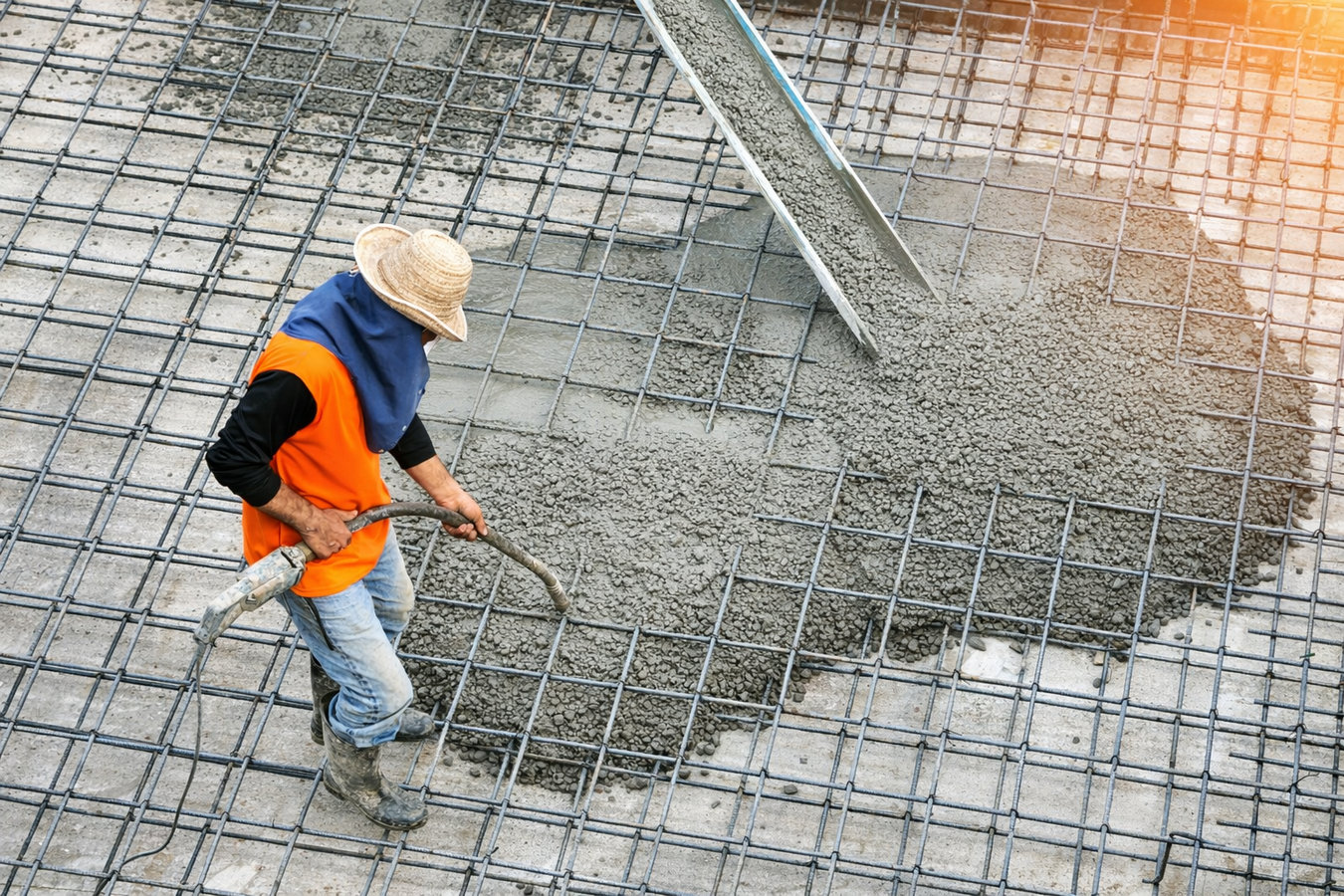
With the permit in hand, the crew begins excavation and soil preparation. Steel reinforcing bars are placed in the pattern required by the permit drawings. Before any concrete is poured, a city inspector visits to verify the steel is correctly positioned - this is one of the most important steps in the whole process.
After the inspection passes, the concrete is poured and the crew manages the finishing and initial curing. Over the next several days the foundation gains strength. We check in during this period and schedule the final city inspection. Before we close out the job, we walk the finished foundation with you and answer every question.
Free on-site visit, written estimate with no obligation. We handle permits, engineering coordination, and every city inspection from start to finish.
(669) 282-6351Every foundation project we take on in Campbell goes through the City's Building Division with a proper permit and all required inspections. The documented paper trail protects your home at resale and gives you independent verification that the work was done to code - not just our word for it.
We build foundations for the clay-heavy ground found across most of Campbell, not for generic conditions. That means soil evaluation before the design, correct compaction techniques, and reinforcement sized to handle seasonal ground movement - not copied from a project in a different soil zone.
We complete foundation projects across 12 cities in the greater San Jose area. That track record across similar permit offices, soil conditions, and seismic requirements means fewer surprises and more predictable project timelines for Campbell homeowners.
California's earthquake requirements for foundations near the Hayward and Calaveras faults are specific and non-negotiable. The California Seismic Safety Commission publishes the standards that govern this work. We build the anchor placement and reinforcement in from the design stage - not as an afterthought when the inspector shows up.
Foundation installation in Campbell is not a project to hand to the lowest bidder with a truck. It is a permitted, inspected, engineered job - and the combination of local soil knowledge, seismic awareness, and permit experience is what determines whether the work holds for decades.
For licensing verification, visit the California Contractors State License Board. For permit and inspection details in Campbell, see the City of Campbell Building Division.
Commercial and multi-unit parking areas built on properly installed foundations and sub-base for long-term durability.
Learn moreNew slab pours for ADUs, garages, and room additions - the most common foundation type for Campbell residential projects.
Learn moreSpring and early fall are the best windows for foundation work in Campbell - reach out now and we will have your site visit on the calendar within days.