Serving Campbell, CA and surrounding areas. (669) 282-6351
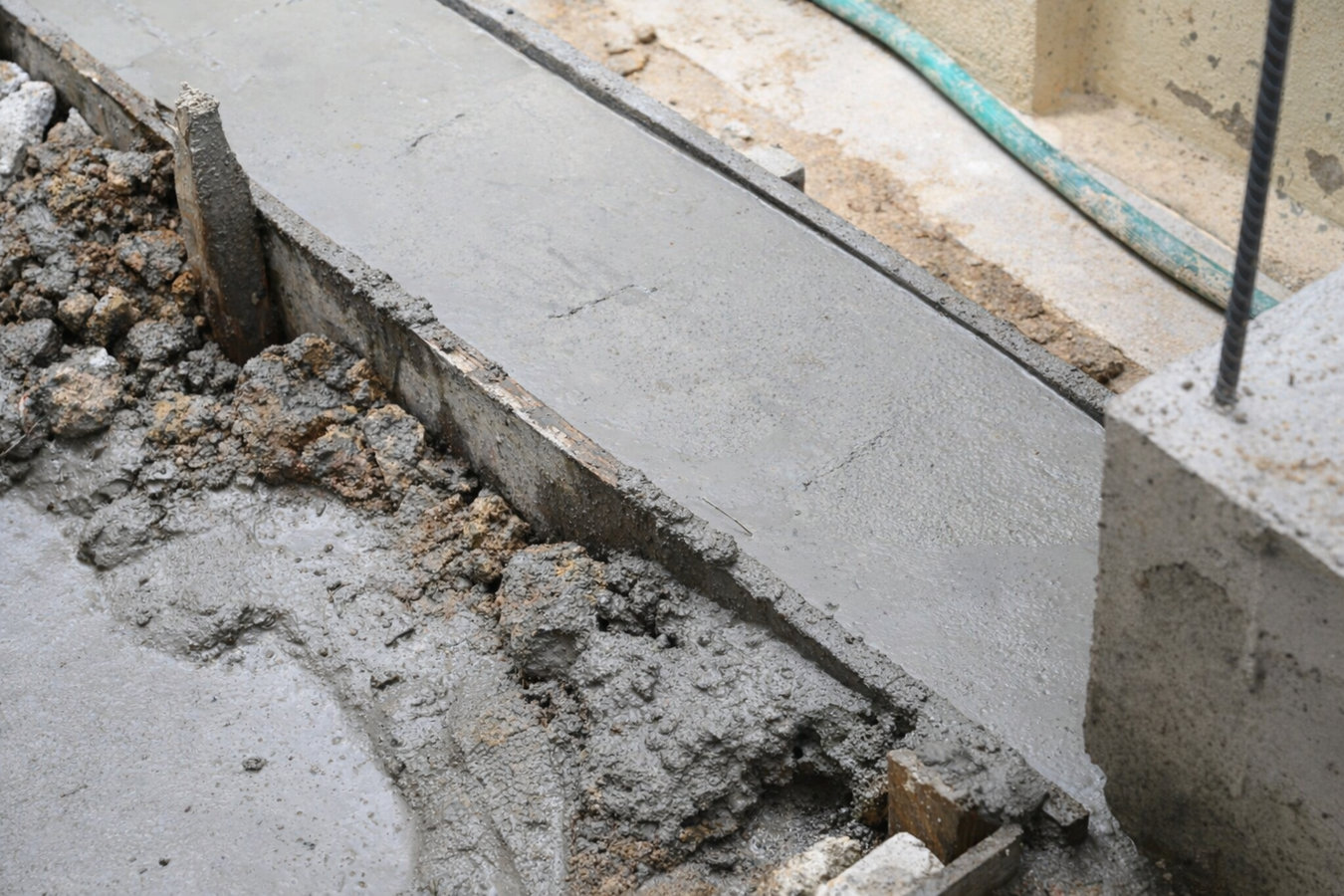
Sticking doors, diagonal wall cracks, and uneven floors are signs your foundation has moved. We lift it back to level and anchor it so it stops moving - without displacing your family.
Foundation raising in Campbell is the process of lifting a home or structure back to its original level after the ground beneath it has shifted - most residential jobs take one to three days of active work, with the full timeline running two to four weeks once the City of Campbell permit and post-work inspection are included.
The process uses steel piers driven deep past the active soil layer, or polyurethane foam injection for smaller, localized settling. Hydraulic equipment then gradually lifts the structure back to level without removing your family from the home. Campbell's clay-heavy soils and proximity to the Hayward and San Andreas faults make this a more common repair than most homeowners expect - the ground simply does not stay still here.
If your foundation has moved significantly and the assessment reveals a need for a full structural rebuild rather than a lift, our concrete cutting service can open the existing slab to prepare it for repair work - allowing us to address what is underneath before rebuilding on top.
If interior doors that used to swing freely now drag on the floor or refuse to latch, or if windows have become hard to open and close, your home may be shifting. When a foundation moves, the door and window frames move with it and fall out of square. In Campbell's older neighborhoods, where mid-century homes sit on clay soil, this is one of the earliest and most common signs homeowners notice.
Diagonal cracks in drywall - especially ones that radiate from the corners of door frames or window openings - are a classic sign of foundation movement rather than normal settling. Horizontal or stair-step cracks in brick or block walls are also worth paying attention to. A crack that is new or visibly growing is more urgent than one that has been unchanged for years.
If you place a marble on your floor and it rolls consistently in one direction, or if you notice a visible slope when you look down a hallway, your foundation may have settled unevenly. Campbell's clay soil can cause one side of a home to move more than the other, creating a tilt that gets more pronounced over time. This is worth evaluating before the slope becomes more pronounced.
If you notice water consistently pooling against your foundation or in your crawl space after Campbell's winter rains, that moisture is working on your soil. Saturated clay soil loses its load-bearing strength, which can accelerate settling. If you have seen standing water near your foundation for more than one rainy season, a contractor should take a look before the problem compounds.
We handle foundation raising for single-family homes, ranches, and smaller multi-unit properties throughout Campbell and the surrounding South Bay. Every job starts with a free on-site assessment - we walk the perimeter, check the crawl space or slab, and take measurements to determine how much the foundation has moved and where. We give you a written estimate before any work starts, and we pull the required City of Campbell building permit and coordinate the post-work city inspection. For homes where the raising is a first step before additional structural work, we also work alongside our slab foundation building services to prepare the site for new construction on a stable, level base.
We use two primary repair methods depending on what your property needs. Steel pier systems are driven past the active clay layer into stable soil or bedrock and are best for significant or widespread settling. Foam injection fills voids under the slab and works well for smaller, more localized sinking. A thorough on-site evaluation - not a phone conversation - is the only way to know which approach is right for your home. Every repair includes a transferable warranty, meaning if you sell your Campbell home, the new owner is covered too.
Driven to stable ground below the active clay layer - designed for significant or widespread foundation settling in Campbell's older homes.
Fills voids beneath a settled slab using polyurethane foam - suited for localized, smaller areas of sinking without full pier installation.
Addresses settling in pier-and-beam and raised-foundation homes common in Campbell's mid-century neighborhoods.
Evaluates and corrects foundation movement that may have accelerated after seismic activity near the Hayward or San Andreas fault zones.
Campbell sits in the Santa Clara Valley, where the native soil contains a high percentage of clay. That clay swells when it absorbs winter rain and shrinks and pulls away from your foundation during the dry summer months. This repeated seasonal cycle is one of the leading causes of foundation movement in the area - it is not a sign that your home was built poorly. It is simply the predictable result of where you live. A significant portion of Campbell's residential neighborhoods were built in the 1950s and 1960s, when foundation standards were less rigorous than today. Homes of that era often have shallower foundations and less reinforcement, which makes them more vulnerable to this kind of settling over time. The California Geological Survey publishes detailed soil and seismic hazard maps for the Bay Area that inform how we evaluate each Campbell property.
Campbell is also located between the Hayward and San Andreas faults - two of the most active fault systems in the country. Earthquakes, even moderate ones, can accelerate foundation settling or expose weaknesses that were already developing. This seismic reality is one reason the Concrete Foundations Association recommends that contractors in high-seismic zones specifically account for lateral movement in their repair plans - not just vertical settling. Homeowners across the South Bay, from Los Gatos to Saratoga, face similar soil and seismic conditions, and the repair approach needs to account for both.
When you reach out, we ask a few questions about what you have been noticing - sticking doors, visible cracks, uneven floors - and schedule an on-site visit. We reply within 1 business day. The assessment visit is free and takes about an hour.
We walk the perimeter, check the crawl space or slab, and measure how much the foundation has moved and where. At the end of the visit you get a plain-language explanation of what we found and a written estimate with a firm price - no surprises after you approve it.
We apply for the required City of Campbell building permit on your behalf. Permit processing typically takes a few business days to two weeks. Work starts once the permit is issued - you do not have to call the building department yourself.
The crew completes the lift - most jobs take one to three days - and we coordinate the city inspector's visit to verify the work is complete and correct. We walk you through what was done, review the warranty, and explain what to watch for in the months ahead.
Written estimate, no obligation, city permit handled for you.
(669) 282-6351The seasonal swell-and-shrink pattern of Santa Clara Valley clay soil is something we account for in every assessment and repair plan - not something we discover after the work is done. Our pier systems are driven past the active soil layer into the stable zone below it, which is what stops the movement for good.
Every foundation raising job we complete comes with a transferable warranty. If you sell your Campbell home, the new owner is covered - which means your repair becomes a documented selling point rather than a liability. Buyers and their inspectors will ask about foundation history, and a warranted, permitted repair tells the right story.
We pull the required City of Campbell building permit and coordinate the post-work city inspection on your behalf. You do not navigate the building department, chase inspectors, or worry about whether the paperwork is right. The repair is fully documented and city-approved when we consider the job complete.
We have completed foundation raising and repair projects across Campbell and 11 surrounding communities. That range means we have seen the full spectrum of clay soil conditions, mid-century foundation styles, and local building department processes - and we bring that knowledge to every assessment we do in Campbell.
Foundation raising is one of the more significant investments a homeowner makes, and the details matter more than the price tag. We do not quote you over the phone, push you to decide the same day, or skip the permit step - and that approach has earned us repeat work and referrals throughout Campbell.
Precision saw cuts through slabs and walls - often part of the prep work before foundation repairs or drainage improvements around a raised home.
Learn moreFull concrete slab construction for new structures and ADUs - the complete base system when raising an existing foundation is not the right solution.
Learn moreSpring is the best window for foundation raising in Campbell - schedule your free assessment now before the dry season fills the calendar.